15 Up-And-Coming Rainwater Downpipe Repair Bloggers You Need To Check Out
Rainwater Downpipe Repair A variety of factors can cause a rainwater downpipe to be damaged. This part of your drainage system is susceptible to damage caused by excessive rain, debris buildup nearby trees, ladders leaning against it. Dampness and water stains on exterior walls are signs that your downpipes need to be fixed. Fortunately, many repairs to downpipes can be completed yourself. Clear the blockage A clogged drainpipe is more than just a nuisance. It could cause water damage to your walls, roof and foundation. It also promotes the development of mold in your home. In some cases, it can even overflow and flood your property. This is why it's crucial to clear any obstructions as soon as possible. Most of the time, you can clear minor downpipe blockages using a bit of elbow grease and some household items. Before attempting to clear the blockage, make sure you're safe by placing a sturdy ladder on flat ground and wearing thick gloves. Be aware of any electrical wiring that may be around your gutters or downpipes. Begin by identifying the obstruction visually. Sometimes, leaves, twigs, and other debris could get stuck in the opening of the downpipe, or in the pipe's top. If you are able to determine the cause, you can make use of a length of wire bent into a hook to take out the material. Then flush the downpipe using buckets of clean water to eliminate any remaining gunk and verify that the pipe is now fully unblocked. A garden hose can also be helpful in removing obstructions close to the downpipe. A strong stream can be used to remove gunk from corners and bends, particularly in the case of downpipes made of cast iron. If the clog is more difficult to clear, use the drain rod or plumbing snake to poke your downpipe's bends. If that doesn't help you, you can try a gutter vacuum, a special tool that creates suction to take out leaves and twigs from your downpipes and gutters. It may be time to call a plumber in the event that you're unable to clear the obstruction from your downpipe. They'll have the experience, hands-on experience and professional tools such as high-pressure water pipe jets to deal with more severe stormwater obstructions. And they can use CCTV drain inspection cameras to find those clogs that are hard to reach and might not be able see. Plus, they'll be able to suggest preventative measures, like installing a rainwater downpipe filter to keep your gutters running smoothly. Repair the joint If you notice that your downpipe is rattling or has a small drip It could be due to the joint has become loose. You can repair the problem by cleaning the area and making sure that any loose or rusty paint has been removed. Once clean you should cut a length of repair tape that is a few centimetres longer than the length of the downpipe, and then remove the backing paper. Carefully wrap the tape around the joint, making sure that it is able to cover any crack or hole completely and that the ends are overlapping. Press your fingers to form it into the joint. Then allow it to dry. Seals on guttering can also be damaged or worn out over time. This could be due to damage to the guttering from falling debris, ladders that are used against it, or from collision with buildings or vehicles. This can also be caused by faulty installation, particularly when replacing a downpipe or when the guttering system is not aligned properly. Over time, downpipes may be damaged because of exposure to extreme temperatures. This can cause cracks and holes in the pipe, which can then result in water leaks through it. It is recommended to have your downpipes inspected and installed by a professional to avoid this. Dirt and debris can cause damage to a downpipe. This can cause blockages within the downpipe that can prevent water from flowing freely and damage the guttering system below. To prevent this, you should regularly clean your downpipes. The best way to repair a downpipe joint is with a proper gutter sealant and roof. It can be purchased from the majority of hardware stores and is specifically designed to adhere to both uPVC and metal guttering systems. Be sure to clean the area thoroughly, preferably with the help of a wirebrush. Then, you should release the gutter length that runs over the seal and ensure that it is lifted off of the adjoining section. Replace the damaged section Downpipes are a vital part of any property's drainage system. They are designed to channel rainwater away from the gutters and into the drain. This helps protect the building from water damage and helps to manage surface water. They can be damaged and leak, which can cause flooding, damp walls, mold growth, as well as structural problems. It is important to know what to do if your downpipe is damaged and how to repair it. The most frequent reason that downpipes break is due to blockages. This is caused by a buildup of leaves, twigs and dirt that prevents the water from flowing freely through. This could cause the downpipe rupture or leak, which can be difficult to spot until it's too late and your home is at risk of flooding damage. There are simple steps you can take to lessen the likelihood of this happening. Regularly scheduled maintenance and cleaning can keep your downpipes in good condition. This includes cleaning the gutters and removing any debris that has built up especially during times of heavy rainfall or snowfall. Be aware of areas that are susceptible to corrosion or rust and ensure that you repair them promptly. Another cause of downpipe damage is the infiltration of tree roots. These roots can cause damage to your pipes as they search for moisture. They may also cause leaks and water damage both on the outside and inside of your home. Keep trees away from your downpipes will prevent this from happening, but if it does occur, expert intervention may be required. Repairing a leaky drainpipe not an easy task, but it is achievable by anyone. It is important to know the drainage system before you attempt to repair a minor hole or leak. However, if you don't know the right way to fix it, you can do it by removing the damaged part of the pipe and replacing it with a new one. You can purchase a replacement downpipe in a variety sizes and colors at the majority of builders retailers as well as DIY stores and trade counters. Install the downpipe Downpipes are an essential part of the drainage system of a structure, channelling rainwater away from guttering and into a drain or well. They guard against water damage and help in efficient water management. However, they could become filled with leaves, twigs and debris, which is why regular maintenance is key. Blocked downpipes can be caused by several factors like heavy rain or climate change. Blocked downpipes can cause various issues, from damp and leaky roofs to walls to structural damage and flooding. It is best to prevent downpipe blockages by keeping your gutters and drainage systems clean. Also, you should regularly inspect the drains and gullies to make sure they are free of silt, dirt and other debris. It is vital that downpipes are connected to drains or soak well, and that they aren't directly connected to sewers, since this could lead to flooding and overflow. 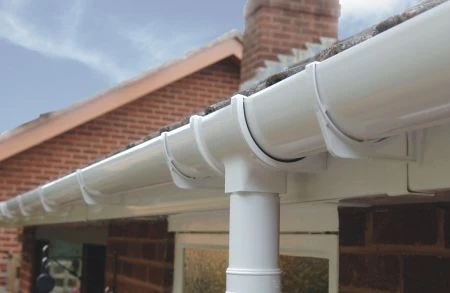 Ideally downpipes should be installed at least a metre from foundations to avoid saturation of the soil beneath the property. To minimise Guttering Specialist leeds RepairMyWindowsAndDoors that tree roots could block downpipes and infiltrate the pipes They should be placed at least a metre from trees. If you find that your downpipe is leaking, it is important to have it replaced as soon as you can to prevent further damage and the possibility of flooding. It is recommended to make use of a new rainwater drainpipe with the same dimensions as the old one, to prevent any pressure build-up, and ensure that the seal is secure. Before installing the downpipe again, make sure it is fully cleaned and free of any obstructions. It is also a good idea to replace the gaskets where the flanges join to ensure an leak-free and airtight fit. If there are sensors or other parts attached to the downpipe, carefully remove them and transfer them to the new pipe. After the downpipe has been installed, you can connect it to the exhaust manifold and the next section in the exhaust system using new bolts, gaskets, and other components. A damaged or defective downpipe could have a significant impact on the performance of your vehicle as well as fuel efficiency. It can be difficult to diagnose and correct the issue so it's best to seek out a professional to get the job done right.